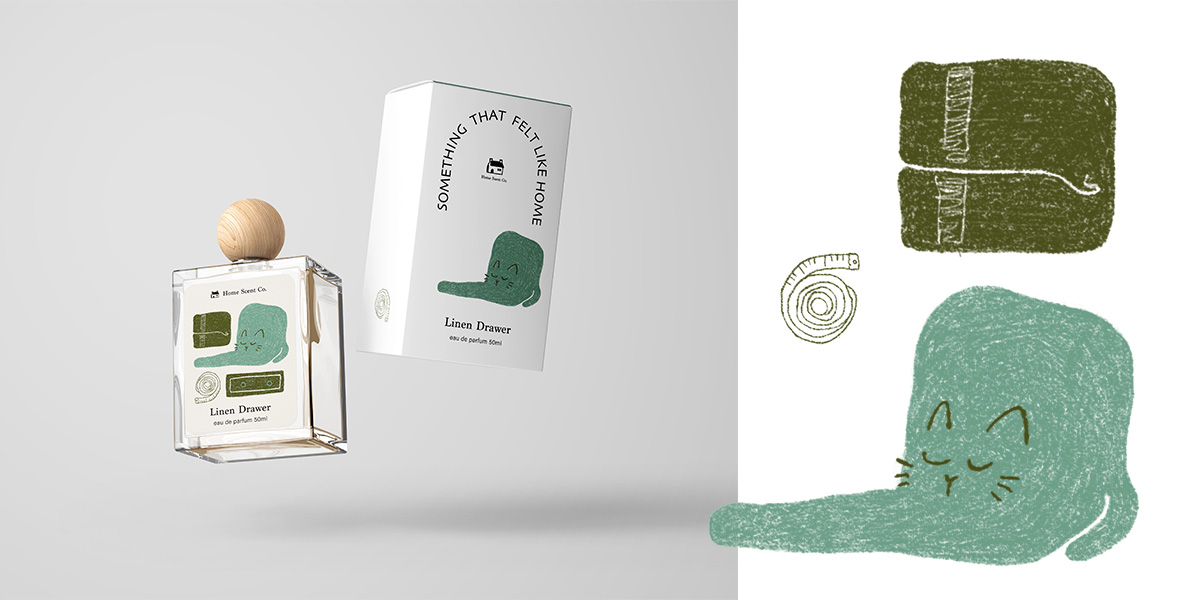


You built something good. You know the product works, and the people who’ve tried it usually love it. And yet, when you look at your packaging next to everyone else’s in your category, it suddenly blends in. It’s like everybody’s selling similar things, and you are not sure how to convince customers to buy yours.
Does this sound familiar?
The Problem: Good Products, Invisible Differences
Here’s a quiet truth about the maker economy right now: it’s easier than ever to make something look good, but harder than ever to stand out.
Canva templates and “aesthetic inspiration” feeds have influenced an entire generation of small brands to adopt the same visual language: clean sans-serif logos, muted earth tones, minimalist packaging, a soft-focus product shot on a linen background. All of it works, technically, if you want your product to “look good”. But when everyone borrows from the same well, the result is a market full of brands that feel interchangeable, even when the products behind them are unique.
This is where a lot of founders get stuck. They assume the fix is a better logo, a trendier palette, a more “premium” font. So they redesign to look “better”, without realising the sameness was never really a design problem.
A Solution: Story Is the One Thing That Can’t Be Copied
Design trends spread fast and are easy to imitate. But a story can’t be copied. Especially because a brand’s story is often a personal story.
Your life experience shaped your values and beliefs. Your values shape your business and how it works. Nobody else had your first customer experience, your reason for starting the business, your specific version of “I couldn’t find this, so I made it myself.”
The issue is that most founders never articulate that story clearly enough to design around it. It stays as a vague feeling: “I care about quality”, “I started this because I love the craft”, which are not sharp enough to shape a logo, colour choice, or an illustration style. Without that clarity, design defaults to trend-following.
The Point: Your Brand Story Is Your Brand Identity. It Speaks For Itself.
Your brand’s story isn’t decoration for your identity. It’s supposed to be the source of it.
When a brand’s visuals are pulled from its own story, they should look inevitable, like there was no other way this brand could have looked. I believe that’s the difference between a brand that blends in and one that gets remembered.
Imagine two founders selling a similar product, at a similar price point, to a similar audience. The first one leads with trend, uses a serif logo, soft earthy colours, and minimal packaging. The other leads with story: maybe their illustrations echo a family recipe book, or their colour palette comes directly from the landscape where the product is made, or their packaging includes a small detail that only makes sense once you know why they started.
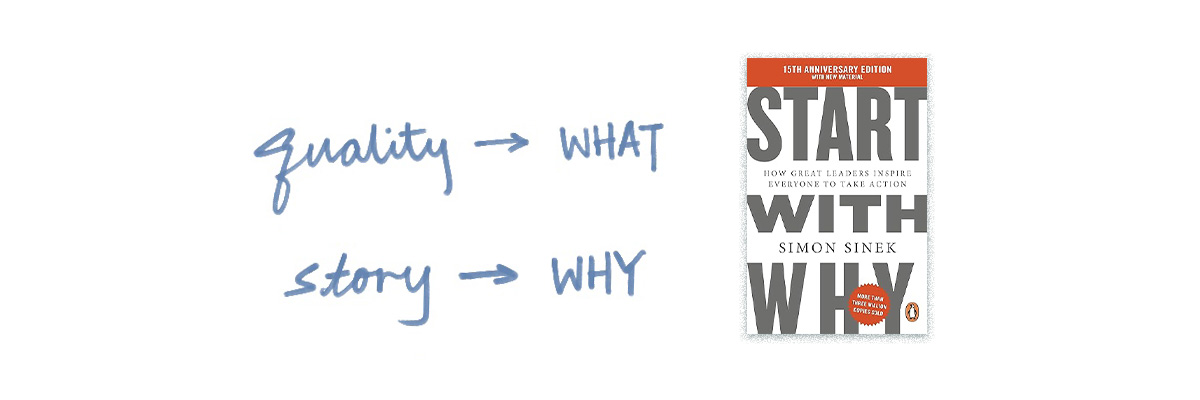
The first founder would have to explain why the product is good or special (the quality, the material, technique, or process…). And the audience starts considering whether this is a good-quality, trustworthy product. The second brand, contrastingly, may not attract as wide an audience as the first one, but instantly triggers the audience to think, “Why is it designed like this? What’s the story behind it?” It creates connection and trust before the question of quality even comes up.

That’s the quiet power of story-rooted design: it doesn’t need to explain itself loudly. It just needs to be consistent, and consistently true to something real.
And “something real” is why your story is a genuine unfair advantage: The competitors literally cannot use it because they have their own stories
What Is Your Story?
If you start wondering “What is my brand story?”, here are some questions for you to think about:
- What is the one thing you wouldn’t change about your business? Is it a material you use, or a process, or a feeling you want to convey to your customers?
- Any community, place, or memory your work is rooted in? Maybe a painful regret, or a place you grew up in or fell in love with, or a taste you cannot forget.
- Any moment you realised your product/ what you are building is valuable not only to you, but also to your customers?
If anything comes to mind, you have a clue where to start. Feel free to send me an email, whether you’d simply like to share your story (I love stories), or you’re struggling to find the right way to tell it. I may be able to help.
Until next time,
An